
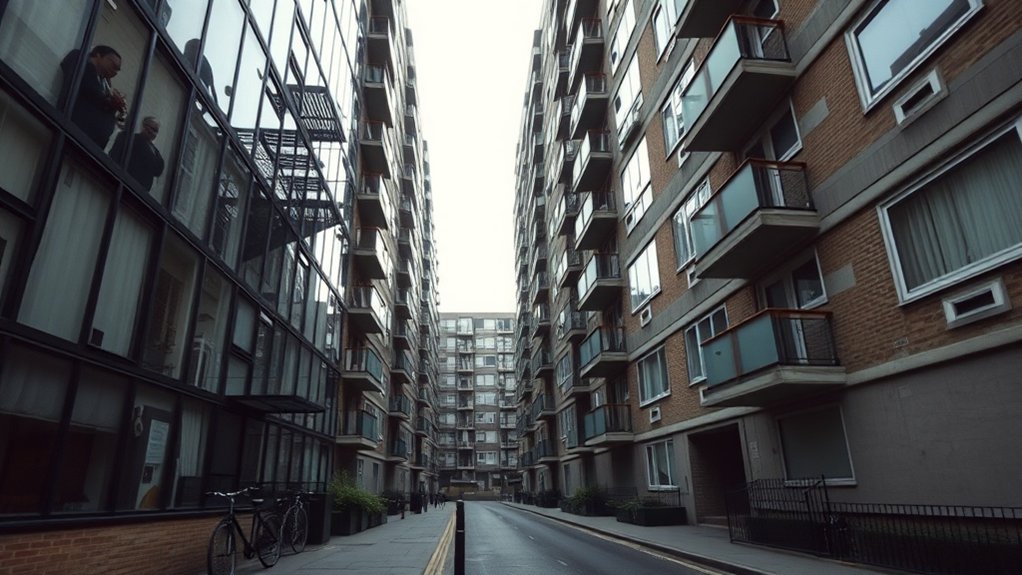
Windows on Westminster council and housing association estates do far more than let light in. They decide how much heat leaves a flat in January, how much traffic noise reaches a bedroom, whether condensation runs down the glass each morning and how hot a top-floor flat gets in July. Getting social housing glazing right means choosing U-values, g-values, airtightness and ventilation together, inside a budget and sometimes inside conservation rules. Done properly, new glazing cuts fuel bills, mould and noise complaints at the same time; done without a ventilation plan, it can trade a cold-and-damp problem for an overheating one. The sections below cover what works on Westminster estates.
Key insights
- Replacing poor estate windows in Westminster cuts heat loss and condensation, which lowers bills, reduces mould and improves residents' health.
- Modern double or triple glazing has to balance energy savings against noise, safety, overheating and comfort in dense Westminster streets and tower blocks.
- Refurbishments must satisfy Westminster, SW1 planning policy and national rules on fire safety, structure, ventilation and heritage, including Part L, Part O and post-Grenfell guidance.
- Glazing, shading and ventilation need designing as one system to control summer overheating and keep estates on track for net zero.
Why Glazing Matters In Westminster Social Housing
Glass and frames are a small line on a refurbishment budget but one of the largest influences on how an estate performs. Landlords rely on them to deliver thermal efficiency, sound insulation, daylight and resident safety, all within Building Regulations and a capital programme that has to stretch across hundreds of homes.
Estate windows also take a beating. Exposed elevations on Westminster towers see high wind loads, pollution builds up on seals, sun on one face and shade on another causes thermal shock, and kitchen and bedroom windows are opened thousands of times a year. Robust assemblies with tested hardware cut unplanned repairs, while laminated glass and PAS 24 frames improve fire containment and Secured by Design outcomes. Appearance matters too: frame proportions and how junctions read from the street affect how residents feel about their block and how an estate is seen by the wider area.
Balancing Performance, Comfort And Condensation
New glazing on a Westminster estate should lower heat loss without creating fresh condensation problems. That means setting U-values, solar gain and airtightness alongside a ventilation strategy that keeps temperature and humidity steady, so the upgrade does not leave wet windowsills that damage the fabric and make residents doubt it.
Optimising Thermal Performance
Low U-value units will cut heat loss sharply, but the window is best treated as a system in which energy performance, material life and moisture behaviour all interact. There are four levers to pull:
- Set U-values, g-values and air permeability targets that match the SAP assessment and the microclimate of each elevation.
- Choose frames and spacer bars with low conductivity and long life, so thermal bridging at the edges is limited.
- Use low-e coatings and argon fills to tune solar gains while holding down night-time losses on exposed faces.
- Run condensation modelling for surfaces and cavities, then adjust the glass build-up or ventilation plan until internal surface temperatures stay above dew point.
Enhancing Resident Comfort
Lower U-values and tighter façades are only useful if residents feel the difference. Temperature stability, glare, acoustic protection and air quality are what people notice day to day, so the glazing must not introduce cold downdraughts, harsh reflections or noise leaks from nearby roads and railway lines. Coatings and interlayers can be chosen to manage solar gain and cut sound while preserving daylight. Where budgets allow, automated blinds and actuated vents linked to sensors let the flat respond to weather on its own, but in social housing those controls have to be simple, tough and cheap to maintain.
Preventing Window Condensation
A window with a good centre-pane U-value can still stream with condensation at its edges. The culprits are thermal bridges at the frame and spacer, temperature gradients across the glass and the moisture produced by cooking, drying washing and breathing. Four measures work together:
- Improve edge details with warm-edge spacers, insulated frames and a continuous airtight seal to lift surface temperatures.
- Control indoor moisture through demand-controlled ventilation and humidity sensors.
- Where modelling still shows a risk, use low-power edge heating on the affected windows only.
- Hide sensors, cabling and vent grilles inside frames, sills or reveals so the upgrade looks tidy and residents accept it.
Ventilation And Overheating In Better-Glazed Westminster Flats
Better glazing changes how a Westminster flat gains, holds and sheds heat. Once the fabric is tight, summer sun that used to escape through leaky frames stays inside, so the ventilation strategy becomes the deciding factor in whether the flat overheats.
Relying on residents to open windows is not a strategy. Natural ventilation needs defined air paths, controllable inlets and either cross-flow or stack effect to drive it. Dynamic simulation that includes occupancy, solar gain and the urban heat island should be used to test summer risk under Part O. The priority order is shading first, then purge ventilation, then low-energy fans with demand control, with controls residents can understand so they can weigh noise, security and cooling for themselves.
Double Vs Triple Glazing In Westminster, SW1 Blocks
Climate, the condition of the existing structure and budget all shape the double-or-triple decision on Westminster estates, and the right answer comes from the numbers rather than a rule that more panes are always better. The trade-off covers U-value, unit weight and capital cost on one side against running-cost savings, embodied carbon and recyclability on the other. Compare the options on these points:
- Heat loss against cost: triple glazing performs better, but in Westminster's mild climate the extra saving over a good double unit can be small.
- Noise: both can meet WHO internal noise targets if the glass thicknesses and interlayers are chosen correctly.
- Smart controls: frames and cavities must have room for sensors, actuators and automated vents if those are planned.
- Weight and upkeep: triple units add load to lintels and hinges, complicate replacements and raise whole-life cost.
Glazing For Westminster High-Rise Refurbishments
Tower blocks in Westminster bring tight fire and safety regulations, structures with unknown tolerances and residents living in the flats throughout the works. The replacement system has to marry with the existing façade, improve thermal performance and airtightness and avoid adding load the frame was never designed for.
High-performance units in slim, durable frames are the norm, with laminated and toughened glass that meets the fire and containment requirements introduced after Grenfell. Solar-control coatings, warm-edge spacers and thermally broken frames reduce heat loss and limit summer overheating on upper floors. On occupied towers, prefabricated glazing cassettes made off site shorten the time each flat is open and speed up the programme, while wind-load, impact and acoustic modelling should feed into the specification so the installation lasts.
Glazing In Heritage And Conservation Estates
Estates in conservation areas, and the occasional listed block, come with planning constraints on frame profiles, sightlines and visible coatings. Landlords have to keep the historic look while satisfying conservation officers and still deliver thermal, acoustic and safety improvements.
Planning And Regulatory Constraints
Once a Westminster, SW1 block sits inside a conservation area or carries a listing, the Planning (Listed Buildings and Conservation Areas) Act, local plan policies and regional energy guidance all apply at once. Planning officers will want to know:
- How the proposed U-values, g-values and frame sections balance performance with visual impact in line with policy.
- Whether laminated acoustic or safety glass changes the external appearance or reflectivity of the elevation.
- What the Design and Access Statement and Heritage Statement say to justify the choice, backed by a technical options appraisal.
- Whether consultation evidence shows residents understand the trade-offs between performance, maintenance and planning limits.
Preserving Historic Aesthetics
On a heritage estate, windows are part of the street composition. The task is to record the original sightlines, proportions and glazing bar hierarchy, then specify units that reproduce those cues using modern manufacturing. Slim double glazing, vacuum insulated glass and precision spacers allow slender sections and the right shadow lines. Coatings and interlayers should be sampled for colour neutrality so one elevation does not take on a green or blue tint that the others lack, and frame and sealant systems should weather in step with the surrounding brick and stone.
Balancing Performance And Heritage
Thermal and acoustic upgrades on heritage estates are optimisation problems with fixed constraints, so the glazing design needs to be modelled and evidence-led rather than picked from a catalogue. The process usually runs as follows:
- Fix U-value, g-value and airtightness targets, then test candidate build-ups in dynamic simulation.
- Specify glass and hardware life so replacement cycles match the estate-wide asset plan.
- Resolve the visual detail: profile depth, sightlines and surface reflectance must sit comfortably with the original fenestration.
- Trial on a pilot block and monitor acoustics, condensation and resident satisfaction before rolling out.
Westminster Rules On Social Housing Glazing
Several layers of rules shape what can be specified. Westminster Plan policies, the Building Regulations and local supplementary planning documents all apply. Approved Document L sets the thermal bar, while Part O and local overheating guidance limit solar gain and require dynamic modelling on dense or high-rise estates.
Noise requirements from BS 8233 and local noise SPDs usually push the specification towards heavier sealed units. Design codes increasingly tie glazing ratios to daylight, planting and façade articulation, so shading and landscaping need coordinating with the windows. Resident consultation also shapes which window types, ventilation methods and privacy measures are acceptable, particularly for visible changes such as tinted coatings or external shading.
How Glazing Affects Fuel Poverty And Health
Window upgrades on Westminster estates change residents' exposure to fuel poverty and to the illnesses that follow cold, damp homes. The benefits fall into four linked outcomes:
- Lower heat loss cuts space-heating demand and bills, the most direct lever on fuel poverty and on rent and energy arrears.
- Warmer internal glass surfaces reduce condensation, mould and respiratory illness.
- Tighter frames with designed ventilation give steadier indoor air quality than leaky old windows ever did.
- Better sound insulation lowers noise stress, with knock-on benefits for sleep, blood pressure and mental health.
This page sits within our wider commercial glazing service for Westminster. We also handle structural glazing and school glazing in Westminster, often on the same visit.
Frequently Asked Questions
Can Residents Choose Window Styles or Are Designs Standard Across the Estate?
Most estates use a standard window design so the façade stays consistent and the landlord can hold spare parts for one system. Within that standard there is often some choice: internal frame colour, handle type, obscure glass for bathrooms or an acoustic upgrade on a noisy elevation. Anything that alters the external appearance, the thermal rating or the safety glazing normally needs technical sign-off, and in a conservation area it may need planning consent too.
How Are Vulnerable Residents Supported During Disruptive Window Replacement Works?
Support starts before the first window comes out. Residents receive a clear schedule, a named liaison officer and a phone number that is answered. Works in each flat are sequenced so no one is left without a window overnight, and a quiet room or temporary decant is offered where someone cannot cope with noise or dust. Installers coordinate with carers, provide temporary heating and log daily welfare checks against a risk register.
What Glazing Maintenance Responsibilities Fall on Tenants Versus the Landlord?
Tenants are usually responsible for cleaning the glass and frames, using locks and vents correctly and reporting faults promptly. They should not alter hardware or add films without the landlord's consent. The landlord covers structural condition, frame and seal replacement, misted sealed units, condensation caused by a system fault and compliance with thermal, acoustic and safety standards. Photograph defects and log them through the repairs portal so persistent faults trigger an inspection.
Are There Community Engagement or Consultation Processes Before Major Glazing Upgrades?
Yes. Before a major window programme, landlords generally run formal consultation through surveys, drop-in sessions, design workshops and tenant forums. Residents see the proposed frame styles and colours, hear about the expected thermal and noise improvements and can question the specification. Suggestions on acoustic glass, trickle vents or security hardware are recorded, and the landlord publishes a consultation report explaining what changed before the scheme moves to procurement.
Summary
Glazing shapes warmth, bills and health across Westminster's social housing, and moving from single glass to well-specified double glazing can cut heat loss through the window by roughly half. Treated as infrastructure alongside ventilation, shading and simple controls, new windows prepare blocks for tighter carbon rules and hotter summers. If you manage estate stock in Westminster, call us for a free survey and quotation.